Sustainability cultivates benefits for planet and people
Why sustainable palm oil?
Sustainable palm oil is good for the planet, for people and for protected species. But the reverse is also true.
When grown unsustainably, palm oil can damage forests and endanger communities and wildlife. So why are there two sides to palm oil? And how can we make sure it only ever has a positive impact?
A vegetable oil unlike any other
Palm oil is the world’s most versatile vegetable oil. As well as a widely used cooking oil, it’s found in countless supermarket products, from soap and toothpaste to chocolate and pot noodles.
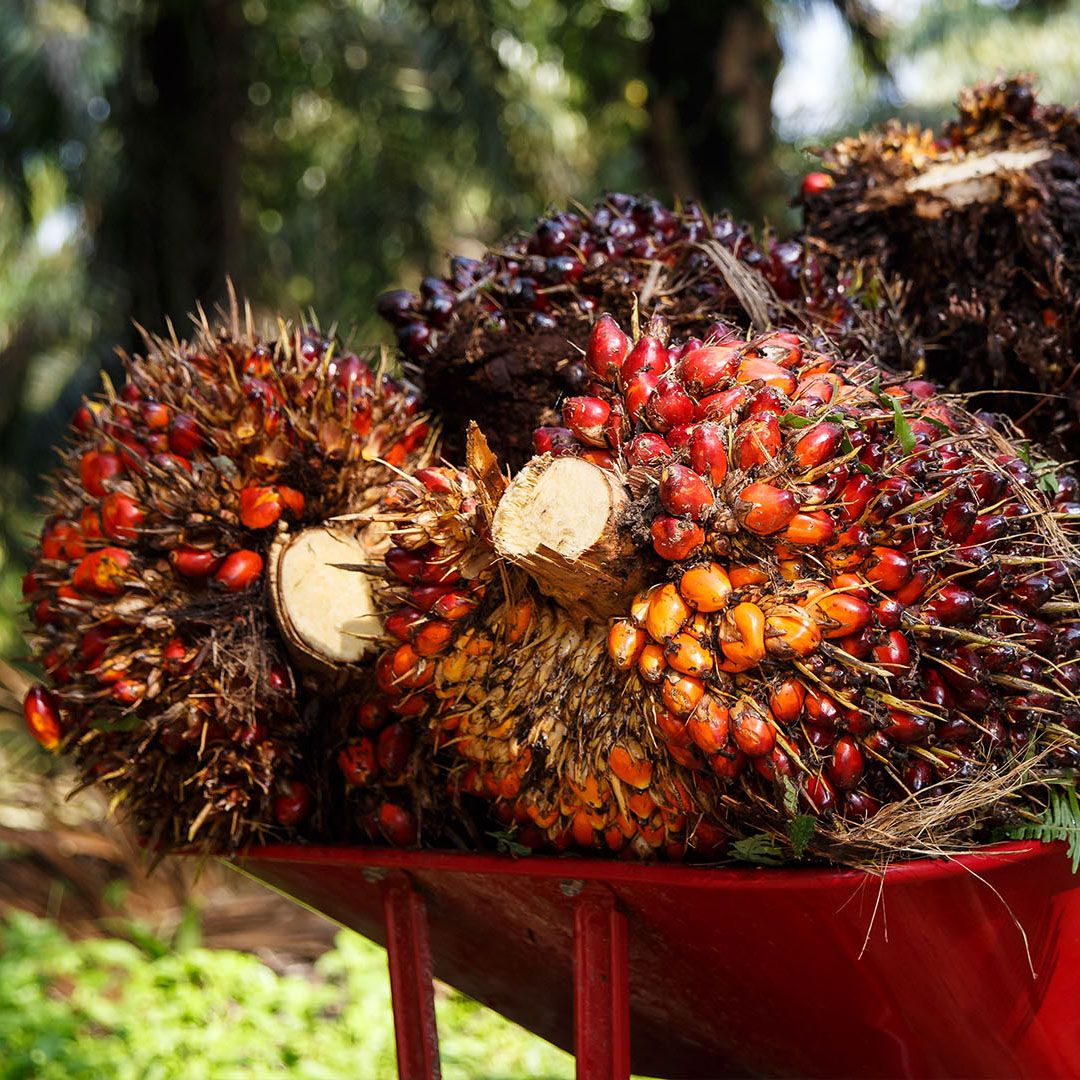
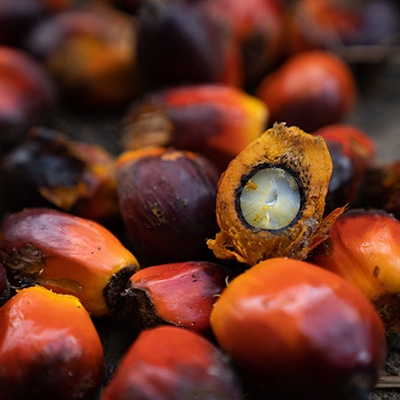
Palm oil is extracted from the flesh and the kernel of the oil palm fruit. Its popularity for cooking and as a combining ingredient springs from its diverse range of properties. Smooth and tasteless, it can also:
- Hold its colour well
- Stay solid at room temperature (to help baked goods last longer)
- Remove oil and dirt
- Moisturise hair and skin
- Make soaps and detergents bubbly
Oil palms have much higher yields than any other vegetable oil crops. Productivity is its standout quality – they require four to ten times less land than other vegetable oil crops to get the same amount of oil. That efficient use of land makes palm oil attractive to producers and buyers around the world.
The challenge with palm oil
Despite its unique qualities as a product and its high demand, palm oil has a mixed reputation. When produced unsustainably, it can have negative impacts – on the environment, on wildlife and on human rights.
Irresponsible production of palm oil has damaging environmental and social effects – forests have been cleared or destroyed to grow palm oil, harming natural habitats, vulnerable flora and fauna, as well as local communities. Many farmers and labourers producing palm oil amidst unsustainable conditions have suffered from unfair labour practices and low pay.
Because of these negative impacts, there have been calls to boycott palm oil. Yet boycotting palm oil is not the solution. Switching to alternative vegetable oils from palm oil wouldn’t reduce these impacts – sunflower, rapeseed and soy have much lower yields per hectare than oil palm, so more land would be needed to produce an equivalent amount of oil. What’s more, millions of farmers and their families around the world make a living on oil palm plantations and smallholdings. This provides them with the income for basic essentials such as food, clean water, housing, and their children’s education.


A sustainable solution
We live in a world in which population growth and climate change threaten global food security as never before. Sustainable palm oil has an important part to play in relieving this pressure.
The emphasis is on “sustainable.” Sustainable palm oil has been farmed, processed, distributed, and sold responsibly with strict rules that protect animals, the environment and people who live and work in oil palm producing countries. It has involved:
- Halting deforestation;
- Treating communities and workers fairly; and
- Protecting wildlife and the environment.
RSPO’s aim is to make palm oil sustainable. We work across supply chain sectors, bringing together its many stakeholders to develop sustainable practices and help make palm oil a force for good.
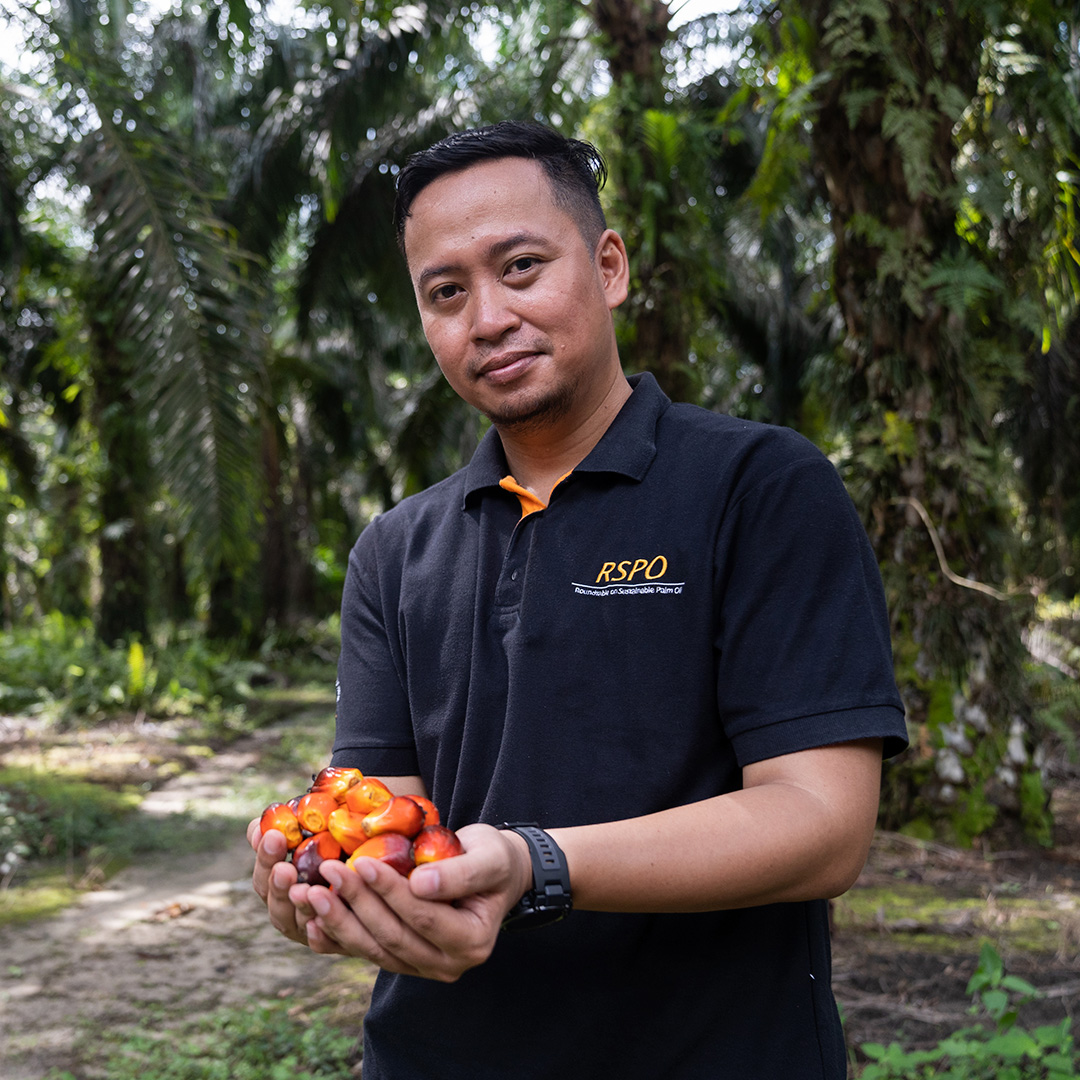
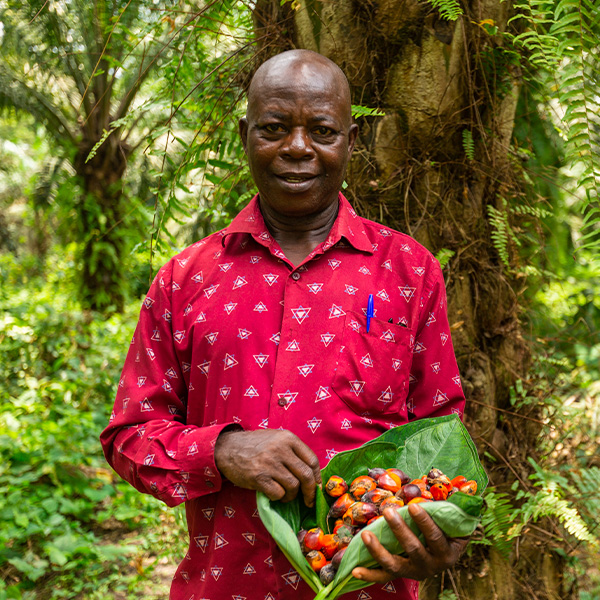
Photo Credit: RSPO/Jonathan Perugia
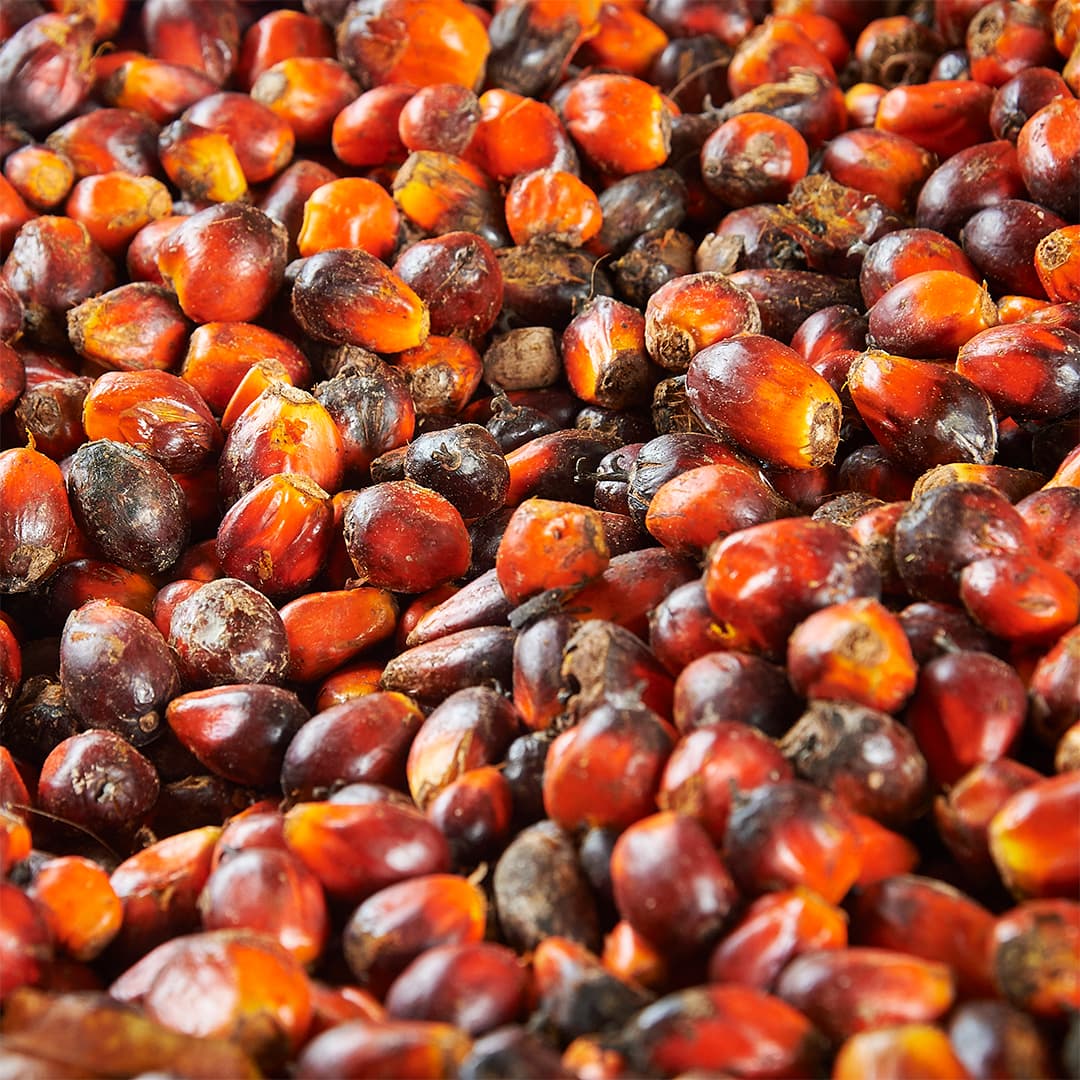
(Loose Fruit) Photo Credit: RSPO/SayanCHUENUDOMSAVAD