Call for Proposal: Study on Wild Palms in West and Central Africa

Wild palm or wild palm groves refer to naturally occurring oil palm, predominantly of the dura variety, found in the wild without evidence of deliberate planting or maintenance. These wild palms play a significant role in palm oil production across Africa and are especially important for smallholders, who harvest and process the oil palm fresh fruit bunches (FFB).
In recent years, the RSPO has received requests from current and prospective members about the inclusion of wild palm in the certified supply chain. However, our existing Standards are primarily designed for cultivated oil palm, lacking provisions for the unique circumstances of wild palm growth.
Consequently, the RSPO Secretariat is now seeking a third-party consultant to conduct comprehensive research to address the complexities of wild palm in the West and Central African region (Cameroon, Côte d’Ivoire, Ghana, Liberia and Nigeria), and assess the feasibility of applying existing certification standards to wild palm, and propose enhancements to ensure alignment with sustainability goals and regulatory frameworks.
Interested parties are advised to carefully review the attached Terms of Reference (ToR) thoroughly and submit their proposals and other required documents to [email protected] by 6:00 PM MYT (GMT+8) on Friday, 1 November 2024.
Keep reading
Rowo Ombo: From Neglected Swamp to a Symbol of Hope and Conservation in Jambi, Indonesia
Save the Date: The 22nd General Assembly (GA22) of RSPO Members
Access into prisma

10 Years of RSPO in China: Driving Palm Oil Transformation Towards Sustainability

Updated Trace Function in prisma
Call for Expression of Interest: Independent Investigation of a Complaint
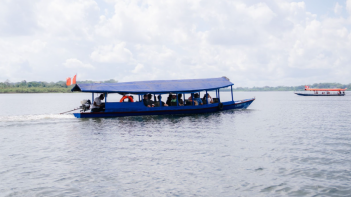
Latin American Smallholders, Key Global Brands Gather in Peruvian Amazon to Advance Sustainable Palm Oil
RSPO Forum for Members and Certification Bodies 2025: Strengthening Capacities and Building Bridges with RSPO Members