Impact Evidence
Data is as of 31 December 2025
of independent smallholder group lands covering 9 countries and territories have achieved RSPO Certification
💡Proving that smallholder farming can meet the global benchmark for sustainable palm oil
have been developed under the RSPO Smallholder Trainer Academy (STA) since 2019
💡Building lasting grassroots capacity for sustainable farming practices
through the RSPO Smallholder Support Fund since 2013
💡Benefitting the livelihoods of 44,796 smallholders and counting
Putting Smallholders at the Heart of Sustainable Palm Oil
This aligns with RSPO’s long-term outcome (ToC L1) whereby we envision that palm oil producers of all sizes (smallholders, medium and large growers) derive value and utility from complying with RSPO Standards, systems and procedures.
Smallholder farmers are the backbone of global palm oil production. Across a number of countries in the producing regions of Southeast Asia, Africa, and Latin America, millions of smallholders collectively account for approximately 40% of the world’s palm oil production area.
RSPO recognises two principal types of smallholders: scheme smallholders, who are formally linked to a mill or plantation company through an outgrower arrangement; and independent smallholders, who operate without such institutional ties. For a full overview, visit the RSPO Smallholder Hub.
For many rural families across producing regions, income from oil palm is a critical pathway out of poverty. Yet where smallholders are excluded from sustainability systems, the risks are real: encroachment on forests and peatlands, weaker rights protections, and supply chains that cannot credibly demonstrate sustainability at every level. Conversely, when smallholders are empowered, the benefits flow across the entire value chain: stronger environmental outcomes, more resilient communities, and more credible sustainability claims for brands and buyers. Smallholder inclusion is therefore not a supplementary concern for RSPO, but it is a strategic and key imperative.
A growing regulatory environment reinforces this. The EU Deforestation Regulation (EUDR), EU Corporate Sustainability Due Diligence Directive (CSDDD), UK Environment Act, and the UN Guiding Principles on Business and Human Rights collectively place explicit expectations on companies to take active responsibility for the welfare and practices of smallholders within their supply base. Smallholder inclusion is not only the right thing to do, but a legal and commercial necessity for market access, investor confidence, and reputational credibility.


How does RSPO Drive Smallholder Inclusion in Practice?
Supporting smallholders requires practical standards, accessible certification pathways, targeted financial support, and shared accountability across the supply chain.
Setting the Standard
Under the 2024 RSPO Principles and Criteria (P&C), certified growers are explicitly required to identify, map, and engage the smallholders supplying their mills in a fair and transparent manner, as well as to work progressively toward supporting their inclusion within the RSPO certified supply chain. Sustainability obligations do not end at the plantation boundary.
For independent smallholders, the 2024 RSPO Independent Smallholder (ISH) Standard provides a dedicated, proportionate certification pathway calibrated to the realities of small-scale farming covering best management practices, environmental compliance, social standards, and land rights.
Certification
RSPO Certification provides smallholders with formal recognition that their practices meet internationally recognised social and environmental standards under the RSPO ISH Standard, opening access to certified supply chains and strengthening their position with buyers. Compliance is independently verified by certification bodies, ensuring credible and meaningful assurance.
Financial Support
The RSPO Smallholder Support Fund (RSSF), funded via a portion of RSPO’s annual revenue from Certified Sustainable Palm Oil (CSPO) trade, provides grants to projects facilitating the certification of independent smallholder groups, covering group formation, farm audits, capacity building, and documentation support.
Engagement Tool
The RSPO Smallholder Engagement Platform (RSEP) is a hub aimed at connecting smallholder groups and market players and/or facilitators to provide additional resources and support to advance smallholder projects on-the-ground.
Capacity Building
The RSPO Smallholder Trainer Academy (STA), focused on improving smallholders’ livelihoods and sustainable farming practices, uses the “train-the-trainer” approach to build a pool of Master Trainers to help smallholders and their supporting organisations to gain access to high quality training.
Grievance Mechanism
Inclusion also means accountability and RSPO’s commitment to smallholders extends to ensuring a level-playing field through a fair and transparent grievance process. The RSPO Complaints System serves as a safeguard for all parties ensuring that smallholder groups who are RSPO Members are held to fair standards, while equally providing smallholders themselves with an avenue to raise concerns about how they are treated within the supply chain.
From Farm to Market: Supply Chain Accountability
Supply chain accountability is central to RSPO’s approach to smallholder inclusion. Downstream RSPO Members, including Processors and/or Traders (P&T), Consumer Goods Manufacturers (CGM) and Retailers, are required to source Certified Sustainable Palm Oil (CSPO) following the 2020 RSPO Supply Chain Certification Standard.
Directly purchasing from certified smallholders creates real market demand for their produce, validating their investment in sustainable practices and keeping their participation in the certified supply chain economically viable. For downstream members unable to source physical CSPO from smallholders, RSPO ISH Credits offer an additional pathway to support smallholder inclusion by enabling them to earn premiums for their sustainability efforts regardless of location or plot size.
Beyond purchasing, all downstream RSPO Members are expected, via the RSPO Shared Responsibility requirements, to actively support smallholder inclusion whether through engaging suppliers, funding or supporting smallholder livelihood projects and more.
In doing so, every actor in the supply chain plays a concrete role in ensuring that smallholders are not just producers of palm oil, but genuine beneficiaries of a sustainable and inclusive sector.
Data
Note: For data on RSPO smallholder membership and certification growth, please refer to the Reach Webpage.
This interactive dashboard makes it easy to explore the data by just clicking directly on the charts to reveal more detailed information, following Tableau’s standard guide on interacting with views.
Top-right corner: Use this dropdown to select a region or country. This acts as the main control and instantly updates every map and chart on the screen to focus only on your chosen location.
Finally, use the download button in the bottom-right corner to save the data for your own reports and presentations, as detailed in Tableau’s view download instructions.
On-the-Ground Stories and Research

Returning to San Pablo, Bolívar: A Community of Resilience
From Cocaine Processing to Cultivating Palm Oil: Resilience takes root in a Colombian community

Strengthening Smallholder Capacity: Training on Independent Smallholder (ISH) Group Certification Process and Internal Control System (ICS)
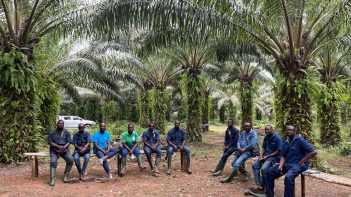
On the Road in Côte d’Ivoire: Smallholder farmers, big lessons

Ghanaian Farmers Become Country’s First Certified RSPO Independent Smallholder Group

Indonesian Smallholders in Indragiri Hulu Become First Group in Region to gain RSPO Certification

Voices from Thai Smallholders — Harvesting the Benefits of Sustainable Farming

Independent smallholders in Indonesia fight COVID-19 with RSPO Credits


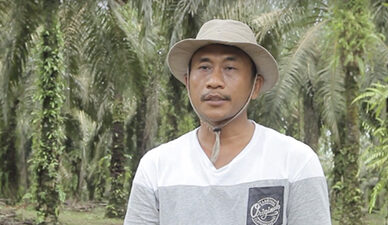
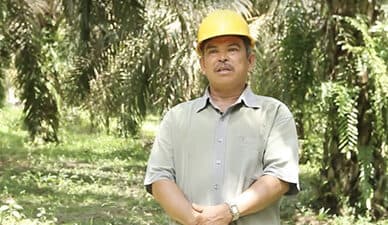


Photo Credit: RSPO, Jonathan Perugia
Get Involved
Whether you’re an individual or an organisation, you can join the global partnership to make palm oil sustainable.